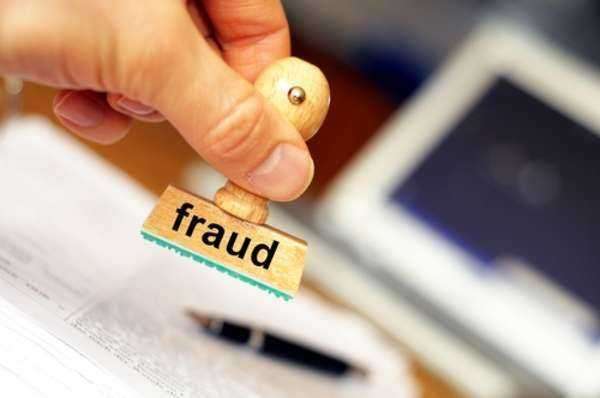
Welfare Fraud Possible Cost on the System
📅 2026 Update: Key Changes in Fraud Law and Welfare Costs
Since the earlier article was published, several significant updates have emerged regarding fraud law in the United States. These changes highlight the ongoing efforts to combat fraud, particularly in welfare programs and healthcare. The details following this update continue to explain fraud types, reporting methods, and penalties.
💰 False Claims Act Settlements
In the fiscal year ending September 30, 2025, settlements and judgments under the False Claims Act surpassed $6.8 billion. This amount sets a new record, indicating a greater focus on holding individuals and companies accountable for fraud against the government.
🏥 Health Care Fraud Takedown
In June 2026, the Department of Justice conducted a major operation targeting health care fraud. This initiative resulted in charges against 455 defendants and involved over $6.5 billion in alleged fraud. This action reflects the federal government's commitment to tackling fraud in health care services.
🎁 Increase in Gift Card Fraud
Reports of gift card fraud have increased dramatically. In 2024, the Federal Trade Commission received more than 41,000 reports, resulting in $212 million in losses. Scammers have become more sophisticated, often targeting vulnerable consumers through deceptive tactics.
⚖️ Penalties for Fraud
Penalties for engaging in fraud, particularly under the False Claims Act, can lead to substantial fines and even imprisonment. Individuals who knowingly submit false claims may be liable for three times the damages plus an inflation-linked penalty.
📅 Reporting and Processing Fraud
Individuals can report fraud through the qui tam provisions of the False Claims Act. This allows private citizens to file lawsuits on behalf of the government. However, processing these cases can take several years, depending on their complexity.
📌 Key Points to Remember
- Settlements under the False Claims Act exceeded $6.8 billion in 2025.
- The 2026 Health Care Fraud Takedown charged 455 defendants.
- Gift card fraud caused losses of $212 million in 2024.
- Penalties for fraud can include significant fines and imprisonment.
- Reporting fraud can be done through the False Claims Act provisions.
💡 Tips for Understanding Fraud Regulations
Reviewing your specific situation with an attorney can help clarify your options and potential actions.
⚠️ Know the Types of Fraud
Understanding the different types of fraud can help you recognize potential scams. Common forms include identity theft, credit card fraud, and health care fraud. Awareness is key to prevention.
📞 Report Suspicious Activity
If you suspect fraud, report it promptly to the Department of Justice. Utilizing the qui tam provisions allows individuals to take action against fraudulent claims made to the government.
📝 Keep Documentation
Maintain records of any suspicious transactions or communications. Documentation can support your claims when reporting fraud or seeking legal recourse.
📅 Be Aware of Deadlines
False Claims Act cases must be filed within six years of the alleged fraud. If the government discovers the fraud later, you have three years to file a claim. Staying aware of these timelines is essential.
🔍 Verify Services
Before engaging with any service for fraud recovery, verify their reputation. Look for reviews and ensure they are known for assisting with fraud-related issues.
❓ Frequently Asked Questions
❓ What is the False Claims Act?
The False Claims Act allows individuals to file lawsuits against those who commit fraud against the government. It aims to recover losses and penalize fraudulent activities.
🕒 How long do I have to report fraud?
Fraud cases under the False Claims Act must be filed within six years of the alleged fraud or within three years after the government becomes aware of it.
🔍 How can I recognize gift card fraud?
Gift card fraud often involves scammers convincing individuals to purchase gift cards as payment for debts. Be cautious of unsolicited requests for payment in this form.
⚖️ What penalties exist for health care fraud?
Penalties for health care fraud can include significant fines and imprisonment, depending on the severity of the fraud involved.
📞 How can I report fraud?
Individuals can report fraud to the Department of Justice through the qui tam provisions of the False Claims Act. This allows private citizens to take legal action on behalf of the government.
📑 What steps should I take if I am a victim of fraud?
If you are a victim, document everything related to the fraud, report it to the authorities, and consider seeking help from fraud recovery services.
⚖️ Recent Court Cases Related to Fraud
Recent court rulings have addressed various fraud cases, reflecting the ongoing battle against fraudulent activities. These rulings often involve significant penalties and settlements under the False Claims Act.
- Arkansas Court upholds conviction for computer fraud caseCourt of Appeals of Arkansas · August 26, 2026
- Court affirms convictions in bribery scheme caseCourt of Appeals for the Eleventh Circuit · August 18, 2026
- Third Circuit upholds conviction of Jose Tavares in fraud caseCourt of Appeals for the Third Circuit · August 17, 2026
- Texas Court Reduces Bail for Rafiq Sajwani in Fraud CaseTexas Court of Appeals, 2nd District (Fort Worth) · August 6, 2026
You can browse more rulings on the news page.
End of October 2026 Update
Because welfare fraud often goes undetected or unreported, it is hard to obtain concrete numbers as to exactly how many people violate welfare programs to commit welfare fraud or how much it costs the government and taxpayers.
Many argue against the idea of a welfare program. They claim that it is because of these losses, that welfare programs actually harm our economy more than it benefits it. Others who are in support of welfare programs insist that the numbers are often exaggerated and that if welfare is eliminated, than it will harm those who truly depend on it. Many systems have been played out through states and governments to try and crack down on welfare fraud by enforcing finger printing, cracking down on verification, using fraud investigators hired by the FBI, etc.