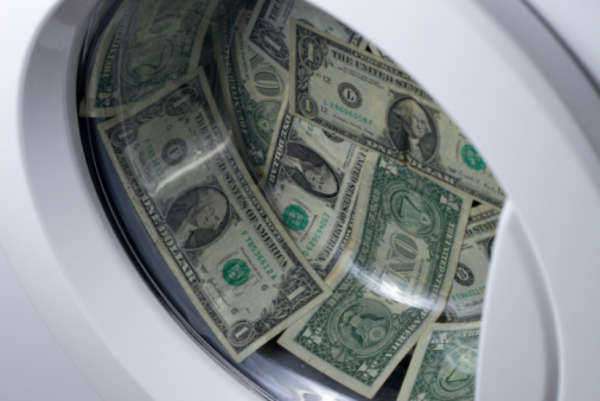
Counterfeit Money At A Glance
📅 2026 Update: Changes in Fraud Penalties and Reporting
Since the original article was published, there have been significant updates to the penalties for various types of fraud in the United States. The maximum prison sentences have increased for several offenses, reflecting a stronger stance against fraud. More details on these changes can be found further down the page.
📈 Federal Wire and Mail Fraud Penalties
As of October 7, 2026, the penalties for federal wire and mail fraud have become more severe. A conviction under 18 U.S.C. § 1343 and 18 U.S.C. § 1341 now carries up to 20 years in federal prison per count. If the scheme impacts a financial institution or a federally declared disaster, the penalty can rise to 30 years and fines of up to $1,000,000.
🏦 Federal Bank and Mortgage Fraud Penalties
The penalties for federal bank and mortgage fraud have also increased. Under 18 U.S.C. § 1344 and 18 U.S.C. § 1014, a conviction can result in 30 years in prison and a $1,000,000 fine per count. This change aims to combat these serious financial crimes more effectively.
💳 Federal Credit Card and Identity Theft Penalties
Convictions for federal credit card fraud under 18 U.S.C. § 1029 now carry a maximum sentence of 10 years for a first offense, while identity theft convictions under 18 U.S.C. § 1028 can lead to 15 years in prison. These updates show a focus on protecting consumers and financial institutions from fraud.
📝 Reporting Fraud
To report fraud, consumers can contact the Federal Trade Commission (FTC) via their website or call 1-877-FTC-HELP. This is an important step in preventing further fraudulent activities and protecting others from scams.
📌 Key Points to Remember
- 📈 Federal wire and mail fraud penalties increased to 20 years.
- 🏦 Bank and mortgage fraud penalties can lead to 30 years.
- 💳 Credit card fraud penalties now allow for 10 years.
- 📝 Report fraud to the FTC at 1-877-FTC-HELP.
- ⚠️ Understanding these penalties can help consumers stay informed.
💡 Tips for Preventing Fraud
Review the details of your own situation with your attorney.
🔍 Monitor Financial Statements
Regularly check your financial statements for unauthorized transactions. This can help you spot fraud early and take necessary action.
🔒 Use Strong Passwords
Create strong, unique passwords for your online accounts. This simple step can significantly reduce the risk of unauthorized access to your personal information.
⚠️ Be Cautious with Personal Data
Be careful when sharing personal information online or over the phone. Scammers often try to trick people into giving away sensitive information.
📞 Report Suspicious Activity
If you notice anything unusual in your accounts, report it immediately. Prompt reporting can help prevent further fraud and protect your finances.
🧑🤝🧑 Educate Others
Share information about fraud prevention with friends and family. Educating others can help protect your community from scams.
🏆 Services Ranked by User Reviews (2026)
The services listed here focus on fraud monitoring and identity theft protection. They are relevant to this article's topic due to their roles in preventing and managing fraud-related issues. Trustpilot data from October 2026 shows users' experiences, but remember that star ratings can change, and unhappy customers may leave more reviews.
🥇 1. NordProtect
NordProtect has been rated 4.2 on Trustpilot. It is known for offering fraud monitoring, identity theft protection, and credit monitoring. However, its services have limited availability in certain regions, which might affect some potential users.
🥈 2. Aura
Aura holds a 4.5 rating on Trustpilot. This service is recognized for identity theft protection, credit monitoring, and data removal services. While Aura offers comprehensive features, it comes with higher pricing compared to some competitors, which may be a consideration for consumers.
🆓 Free Government and Nonprofit Help
Consumers can take advantage of free resources provided by the Federal Trade Commission (FTC) and the American Bankers Association Foundation. These organizations offer guidance on recognizing and preventing fraud, making them valuable options for those seeking assistance without cost.
🔎 Factors to Compare When Choosing Services
- 🔒 Types of protection offered (e.g., identity theft, credit monitoring).
- 💰 Cost of services and any available free options.
- 🌍 Availability of services in your region.
- 📝 User reviews and ratings for reliability.
- ⚙️ Additional features that enhance security measures.
❓ Frequently Asked Questions
❓ What is wire fraud?
Wire fraud involves using electronic communications to commit fraud. Penalties can be severe, with up to 20 years in prison if convicted.
📬 How can I prevent check washing?
To prevent check washing, drop outgoing mail in secure collection boxes and retrieve incoming mail promptly. This reduces the risk of checks being altered and misused.
🚨 What should I do if I become a victim of identity theft?
Victims should report the incident to the FTC and place a fraud alert on their credit reports. This helps protect against further unauthorized activities.
💳 How does credit card fraud liability work?
Under the Fair Credit Billing Act, if you report your credit card as lost or stolen promptly, your liability for unauthorized charges is limited to $50.
📞 How do I report mortgage fraud?
Suspected mortgage fraud can be reported to the FBI's Internet Crime Complaint Center (IC3) or the Department of Housing and Urban Development (HUD).
💼 What resources are available for fraud prevention?
The FTC provides free resources on preventing and reporting fraud. Local consumer protection agencies also offer assistance.
⚖️ Recent Cases Related to Fraud
Recent court rulings have highlighted the ongoing issues with fraud in various forms. These cases connect directly to the types of fraud discussed in this article.
- Fifth Circuit Upholds Conviction in Bank Fraud CaseCourt of Appeals for the Fifth Circuit · July 8, 2026
- Court affirms prosecution of Babajide Adefusi for fraudCourt of Appeals for the Seventh Circuit · July 8, 2026
- Court affirms conviction of Luisito Espanola in fraud caseCourt of Appeals for the Seventh Circuit · July 8, 2026
- Court affirms convictions in Zul Mohamed ballot fraud caseTexas Court of Appeals, 7th District (Amarillo) · May 26, 2026
For more recent rulings, feel free to browse more rulings on the news page.
End of October 2026 Update
Hard economic times lead to
a decline in the overall availability of cash in an economy. This is mainly
because monetary policy is established by the Private Federal Reserve Bank and
the treasury prints out the currency solely on a needs basis. If the United
States is in a recession period, the country's money supply shrinks because the
availability of liquid capital is directly proportionate to the Nation's GDP.
Historically, the United States has a pattern of increased counterfeit money
violations during periods of economic hardship. Counterfeiting is a form of forgeryhistorycriminality of
counterfeit moneydetect a counterfeit
bank notefamous cases of
counterfeitingStatistics