Quick Overview On Individual Collecting on Deceased
📅 2026 Update: Recent Changes in Fraud Penalties and Reporting
Since the original article was written, there have been significant updates to penalties for various types of fraud. These changes reflect a stricter approach to combating fraudulent activities, especially those that involve financial institutions or declare emergencies. The earlier article continues further down the page and provides additional context on individual collecting on deceased persons.
🏦 Federal Fraud Penalties
As of October 7, 2026, federal penalties for wire fraud and mail fraud have increased. A conviction under these laws can now lead to 20 years in federal prison per count. If the fraud impacts a financial institution or involves a federally declared disaster, the maximum penalty jumps to 30 years and fines can reach up to $1,000,000 per count.
🏦 Changes in Bank and Mortgage Fraud
Bank fraud and mortgage fraud penalties have also tightened. Convictions under these laws can result in up to 30 years in prison and fines of $1,000,000 per count. This change is significant for those involved in financial transactions or schemes that may exploit vulnerable individuals.
🏷️ Identity Theft Penalties
The penalties for identity theft have been updated as well. Under federal law, a conviction for most identity theft offenses can now lead to up to 15 years in prison. This highlights the government's commitment to protecting individuals from identity fraud.
📞 Reporting Fraud
To report fraud, individuals can contact the Federal Trade Commission (FTC). They provide a simple way for consumers to report issues either through their website or by calling 1-877-FTC-HELP. This ease of reporting is crucial for tracking fraud trends and assisting victims.
📌 Key Points Summary
- Increased penalties for wire and mail fraud up to 30 years.
- Bank and mortgage fraud penalties can reach 30 years in prison.
- Identity theft convictions may lead to 15 years in prison.
- FTC offers easy reporting options for fraud.
- Consumers encouraged to stay vigilant and informed.
💡 Tips for Preventing Fraud
Review the details of your situation with your attorney.
🔒 Secure Your Personal Information
Keep your personal information safe. Use strong passwords and avoid sharing sensitive information online. Regularly monitor your accounts for unauthorized activity.
📈 Monitor Financial Statements
Check your financial statements frequently. Look for any unexpected charges or transactions. Early detection of fraud can minimize losses and help you take action.
🚨 Set Up Fraud Alerts
Consider placing fraud alerts on your credit reports. This can help prevent unauthorized access to your personal information. Alerts make it harder for identity thieves to open accounts in your name.
📞 Report Suspicious Activity
If you notice anything unusual, report it immediately. Contact your bank or credit card issuer right away to address any unauthorized transactions. Prompt reporting can help protect your finances.
🛡️ Utilize Credit Monitoring
Consider using credit monitoring services. They can help you keep an eye on changes to your credit report and alert you to potential signs of identity theft.
🏆 Ranked by User Reviews (2026)
This section looks at services related to fraud protection and monitoring, particularly relevant to the topics discussed in this article. The services listed are based on Trustpilot data checked in October 2026 and reflect user experiences. Ratings can vary as different customers share their feedback, and those with negative experiences often post more reviews.
🥇 1. Aura
Aura has been rated 4.5 on Trustpilot. This service is known for its identity theft protection, credit monitoring, and data removal services. Some users report that its pricing is higher compared to competitors, which may affect its accessibility for some consumers.
🥈 2. NordProtect
NordProtect holds a Trustpilot score of 4.2. Reviewers appreciate its fraud monitoring and identity theft protection features, along with credit monitoring. However, it has limited availability in certain regions, which can restrict access for some potential users.
🆓 Free Resources
Free resources are available through government and nonprofit organizations. The Federal Trade Commission provides guidance on preventing and reporting fraud. The American Bankers Association Foundation offers educational materials to help consumers recognize and avoid fraud.
🔎 Comparing Fraud Services
- Evaluate pricing and features offered by different services.
- Consider customer reviews and overall satisfaction ratings.
- Check availability in your region for specific services.
- Look for additional resources that educate on fraud prevention.
- Review the support options provided by each service for assistance.
❓ Frequently Asked Questions
❓ What should I do if I suspect fraud?
If you suspect fraud, report it immediately to your bank or card issuer. You can also contact the FTC for further assistance and guidance.
📞 How do I report identity theft?
Identity theft can be reported to the FTC. You should also place a fraud alert on your credit reports to help protect against further unauthorized access.
🏦 What are the signs of mortgage fraud?
Signs of mortgage fraud can include unexplained changes in your credit report or unusual requests for personal information. Always verify the legitimacy of such requests.
📝 How can I safeguard my credit report?
To safeguard your credit report, consider using a credit freeze. This prevents new accounts from being opened in your name without your consent.
🔍 What resources are available for fraud victims?
Victims of fraud can access resources through the FTC and local consumer protection agencies. These organizations provide support and guidance on recovery steps.
📅 How often should I check my financial statements?
It is advisable to check your financial statements regularly, at least once a month. Frequent reviews can help you quickly identify any unauthorized transactions.
⚖️ Recent Cases in Fraud
Recent court rulings highlight ongoing efforts to address fraud, including penalties for wire and mail fraud offenses. These rulings connect directly to the topics discussed in this article, showing the legal landscape's evolution.
- Ohio court upholds conviction of Rochelle Work for fraudOhio Court of Appeals · September 29, 2026
- Court denies request for details in Hillmer fraud caseDistrict Court, District of Columbia · June 17, 2026
- Court denies objections in wire fraud case against BlalockDistrict Court, District of Columbia · July 14, 2026
- Court upholds cellphone searches at JFK in fraud caseCourt of Appeals for the Second Circuit · September 17, 2026
For further insights, browse more rulings on the news page.
End of October 2026 Update
When a death of a friend or family member occurs, it is important to alert social security offices immediately. This is due in part to stop social security income checks from being issued to the deceased. It is the sole responsibility of the person who is receiving these payments to report the death to the social security offices.
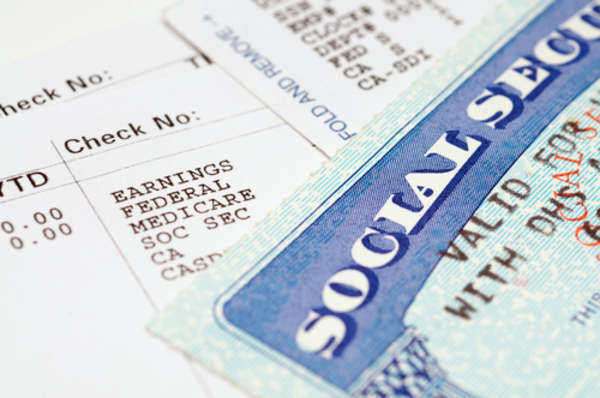
When some people do not report the death, some individuals will attempt disability fraud against a loved one who has been deceased by continuing to accept the beneficiary's social security income checks/disability benefits/disability claims. Most times, it is family members who illegally collect disability claims on their behalf.
In an attempt to stop this type of fraud, the Social Security Administration (SSA) compiled a master list which they call, "The Death Master File" to help conduct disability fraud detection