What Are Card Not Present Transactions
📅 2026 Update: Changes in Card Not Present Transactions
Since the original article was written, there have been important updates regarding card not present transactions. These changes mostly focus on fraud protection and ways consumers can safeguard their information. The article below still provides valuable information about card not present transactions and related fraud types.
🔒 Increased Awareness of Fraud
As online shopping grows, so does the risk of fraud. Card not present transactions are a prime target for criminals. Consumers are more aware of identity theft and fraud issues than ever before.
Many are taking steps to protect themselves.
⚖️ Legal Changes
Fraud laws have evolved to address new challenges. Stricter regulations are in place to combat identity theft and fraud in card not present transactions. These updates aim to hold businesses accountable and protect consumers better.
🛡️ Consumer Protection Services
Many services are available to help consumers protect themselves. Identity theft protection and credit monitoring have become essential tools. Companies like LifeLock and Experian offer various services that can help detect and prevent fraud.
📈 Current Trends in Fraud
Fraud trends keep changing. Scammers are using more sophisticated methods to steal personal information. It's crucial for consumers to stay informed about these evolving tactics to protect their finances.
📌 Key Takeaways
- Fraud awareness is increasing among consumers.
- Legal regulations are becoming stricter.
- Protection services like LifeLock and Experian are available.
- Fraud tactics are evolving and becoming more sophisticated.
💡 Tips for Protecting Yourself Against Fraud
Review the details of your situation with your attorney.
🛡️ Use Strong Passwords
Create strong, unique passwords for your online accounts. Avoid using easily guessed information like birthdays or names. Change your passwords regularly to enhance security.
📱 Enable Two-Factor Authentication
Use two-factor authentication whenever possible. This adds an extra layer of security to your accounts. Even if a scammer gets your password, they will still need another verification method.
🔍 Monitor Your Accounts Regularly
Check your bank and credit card statements frequently. Look for any suspicious activity or unauthorized transactions. Early detection can help you address fraud before it gets worse.
🚫 Be Cautious with Personal Information
Avoid sharing sensitive information unless necessary. Be wary of unsolicited requests for personal data. Scammers often impersonate trusted organizations to steal information.
📧 Recognize Phishing Attempts
Learn to identify phishing emails or messages. Look for signs like poor grammar, generic greetings, or suspicious links. Do not click on links from unknown sources.
🏆 Top Services for Fraud Protection Ranked by User Reviews (2026)
This section highlights services focused on protecting against fraud, especially in card not present transactions. The order is based on Trustpilot reviews as of October 2026, and while star ratings indicate user satisfaction, they can change over time. Keep in mind that unhappy customers tend to leave more reviews.
🥇 1. LifeLock
LifeLock has been rated 4.9. It is known for offering identity theft protection, credit monitoring, and fraud alerts. Reviewers highlight its effective monitoring services, but some users report issues with billing practices.
🥈 2. Experian
Experian holds a rating of 4.1. This service is recognized for credit reporting, credit monitoring, and identity theft protection. Customers appreciate the comprehensive credit information, but some have noted that customer service response times can vary.
🆓 Free Government and Nonprofit Options
There are free resources available for consumers looking to protect themselves from fraud. Many government agencies and nonprofit organizations offer assistance with identity theft and provide information on how to report fraud. Seeking help from these resources can be a good starting point for those who want to improve their security without incurring costs.
🔎 Factors to Compare When Choosing a Service
- 🏅 Trustpilot ratings and reviews
- 🔒 Type of fraud protection offered
- 💬 Customer service responsiveness
- 💰 Pricing and billing practices
❓ Frequently Asked Questions
❓ What are card not present transactions?
Card not present transactions are purchases made without the physical card being present. This often happens in online shopping, phone orders, or mail orders.
🔒 How can I protect myself from identity theft?
To protect against identity theft, use strong passwords, enable two-factor authentication, and monitor your accounts regularly. Staying vigilant is key in preventing unauthorized access.
⚖️ What should I do if I suspect fraud?
If you suspect fraud, contact your bank or credit card issuer immediately. Report the unauthorized transactions and follow their guidance on how to secure your account.
📈 Are there any penalties for committing fraud?
Yes, penalties for committing fraud can include fines, restitution, and imprisonment, depending on the severity of the offense. Legal consequences can vary by state and the type of fraud involved.
📞 How do I report fraud?
You can report fraud to your bank, credit card issuer, or the Federal Trade Commission (FTC). Many states also have a consumer protection office that can help.
🛡️ What services can help monitor my credit?
Services like LifeLock and Experian offer credit monitoring and identity theft protection. These services can alert you to suspicious activities on your credit report.
⚖️ Recent Cases Related to Fraud
Recent court rulings have addressed various fraud cases, particularly focusing on identity theft and card not present transactions. These rulings highlight the ongoing legal battle against fraud and the need for consumer protection.
- Seventh Circuit upholds fraud conviction of Giulio PalmaCourt of Appeals for the Seventh Circuit · July 20, 2026
- Court affirms convictions in identity theft caseCourt of Appeals for the First Circuit · July 30, 2026
- Mississippi Court upholds conviction for identity theft caseCourt of Appeals of Mississippi · July 28, 2026
- First Circuit affirms convictions of brothers in fraud caseCourt of Appeals for the First Circuit · July 15, 2026
You can browse more rulings on the news page for the latest updates on fraud cases and legal outcomes.
End of October 2026 Update
Card Not Present transactions are those in which the credit card need not be physically present for the transaction to occur. They were actually in existence for quite some time before the advent of the Internet, as mail-order purchases would inherently be Card Not Present transactions, requiring credit card information without having the actual credit card.
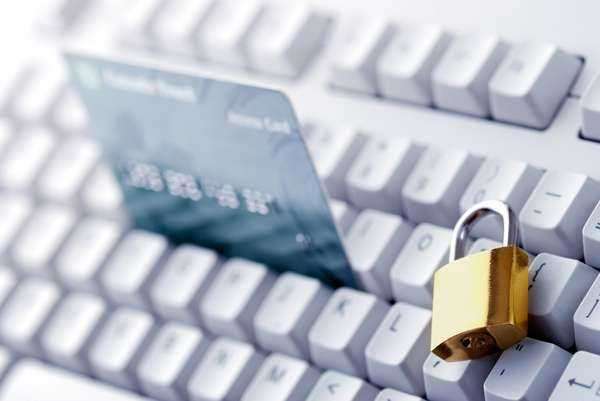
Telephone purchases would also qualify as Card Not Present purchases, seeing as the information of the card need only be shared over the phone to make the purchase, and the actual card need not be physically present. But the majority of modern-day Card Not Present transactions occur on the Internet. The unfortunate aspect of Card Not Present transactions is that they are all too easy to take advantage of with Card Not Present fraud.
The primary problem of Card Not Present transactions is that there is no way to verify if the purchaser, giving out the information, is the actual owner of the card. Since the transaction does not require the physical card, and over the Internet would require nothing more than correctly filling out the blanks in the order form, there is no real way to check the actual identity of the purchaser. Any verification questions could have their answers stolen right along with the credit card information.
One recent form of defense against Card Not Present fraud involves the use of specified, pre-accepted delivery locations. If for any given credit account, the owner sets up a number of acceptable shipping locations that are linked to that account, then ordering from any given website would only send to one of these pre-approved locations.
Thus, while a form of Card Not Present fraud would persist, if only because purchases could still be made against the card holder's will, those purchases could only be sent to locations which are likely safe from the card holder's point of view. A Card Not Present fraud perpetrator, in this instance, would likely be unable to do more than order items to the card holder's home.
Unfortunately, in general, Card Not Present transactions are likely to be too small to be considered worth investigating. Obviously, some transactions will require a bit of an examination because they will be transactions for great enough values of money, but the vast majority of Card Not Present transactions on the Internet will likely be too small to fall on the radar of investigators. This is a fact that fraudsters have taken advantage of time and time again, as the lax security features on smaller transactions allow them to penetrate these transactions and obtain what they need for Card Not Present fraud.
Customers aren't the only ones at risk, either. Sellers themselves must pay a higher price to use Card Not Present service, as Card Not Present transactions are inherently more risky than standard transactions. Coupled with these higher costs comes the threat of lost business with cases of Card Not Present fraud.
Such fraud would hurt the merchant as much as the victim of the fraud, as the merchant would be giving out his goods to the perpetrator, and then the sale would later be cancelled, leaving the seller with nothing to compensate for the lost goods. As a whole, then, Card Not Present transactions are those transactions around which both buyers and sellers must tread most carefully.