Tips to Protect Yourself
📅 2026 Update: Recent Changes in Fraud Protection
Since the original article was published, several important updates have occurred in U.S. fraud law and protections. These changes impact how individuals can protect themselves from various types of fraud, including identity theft and credit card fraud. The original article continues further down the page, providing detailed tips and insights.
🏦 Nacha's New Fraud Monitoring Rules
Effective March 20, 2026, Nacha introduced new fraud monitoring rules. These rules apply to all Originating Depository Financial Institutions (ODFIs) and non-consumer originators with high ACH origination volumes. Institutions with over 6 million transactions in 2023 must adhere to these updated standards.
📈 Program Fraud Civil Remedies Act Amendments
As of May 4, 2026, the U.S. Small Business Administration made changes to the Program Fraud Civil Remedies Act. The amendments increased the claim threshold from $150,000 to $1,000,000.
This change could impact how fraud claims are handled for small businesses.
📱 CFPB's Oversight of Digital Payment Apps
On November 21, 2024, the Consumer Financial Protection Bureau finalized a rule to supervise large nonbank companies that offer digital payment apps. This rule affects companies handling over 50 million transactions per year. It aims to enhance consumer protections in digital transactions.
⚖️ National Fraud Enforcement Division Act
The National Fraud Enforcement Division Act was strongly supported in September 2026. This act aims to establish a dedicated division within the U.S. Department of Justice to combat fraud.
This division will enhance efforts to investigate and prosecute various types of fraud.
📌 Key Points to Remember
- 🔍 Nacha's rules impact institutions with high ACH volumes.
- 💼 Claim thresholds for fraud increased to $1,000,000.
- 📲 CFPB oversees large digital payment apps.
- ⚖️ New division aims to strengthen fraud enforcement.
💡 Tips for Protecting Yourself from Fraud
Review the details of your situation with your attorney to ensure proper guidance.
🔒 Report Fraud Quickly
Timely reporting is crucial. Delays can increase your liability, especially in cases of debit card fraud. Take action as soon as you notice unauthorized charges.
📑 Know Your Liability Limits
Under the Fair Credit Billing Act, you could be liable for up to $50 in unauthorized credit card charges if you report them promptly. Understanding your liability can help you act quickly and confidently.
🕒 Understand Investigation Times
Credit card fraud disputes must be resolved within 90 days. Identity theft investigations typically take 10 to 90 days depending on the card type. Be prepared for varying timelines.
📅 Keep Track of Deadlines
For credit card disputes, report unauthorized charges within 60 days of receiving your statement. Chargeback deadlines differ by card type and issuer, usually ranging from 60 to 120 days.
🆓 Utilize Free Resources
Government and nonprofit organizations offer resources for fraud victims. Agencies like the Consumer Financial Protection Bureau (CFPB) and the Federal Trade Commission (FTC) provide assistance on reporting and recovering from fraud.
🏆 Ranked by User Reviews (2026)
This section highlights services that help protect against fraud, such as identity theft protection and credit monitoring. Rankings are based on Trustpilot data checked in October 2026. Ratings can change, and unhappy customers often leave more reviews, creating a varied picture.
🥇 1. Experian
Experian holds a Trustpilot score of 4.1. It is known for services like credit reporting and identity theft protection. However, some users report issues with customer service responsiveness and billing concerns.
🥈 2. LifeLock
LifeLock has an impressive Trustpilot score of 4.9. It is recognized for its identity theft protection and fraud alerts. Some users have mentioned issues with notification speed and upselling tactics.
🆓 Free Government and Nonprofit Help
Various government and nonprofit organizations offer free help for those dealing with fraud. The Consumer Financial Protection Bureau (CFPB) and the Federal Trade Commission (FTC) provide guidance on how to report fraud and recover from identity theft.
🔎 Comparing Fraud Protection Services
- 📉 Trustpilot scores
- 🛡️ Types of protection offered
- ⚡ Customer service responsiveness
- 💰 Pricing and fees
- 📝 User reviews and experiences
❓ Frequently Asked Questions
❓ What should I do if I suspect identity theft?
If you suspect identity theft, promptly report it to your bank and credit card companies. You may also want to file a report with the Federal Trade Commission.
🕵️♂️ How can I track my credit report for fraud?
You can track your credit report for free through annual credit report services. Regularly reviewing your report helps you spot unauthorized accounts or activity.
🚨 What are the penalties for committing fraud?
Penalties for fraud vary based on the type and severity of the crime. Some fraud offenses can lead to substantial fines and imprisonment.
📝 Are there limits to liability for unauthorized transactions?
Yes, under the Fair Credit Billing Act, your liability for unauthorized credit card transactions is limited to $50 if reported promptly.
📅 How long do I have to report credit card fraud?
To report credit card fraud, you typically have 60 days from the date your statement was issued. Prompt reporting is essential for limiting liability.
⚖️ What is the statute of limitations for bank fraud?
The statute of limitations for federal bank fraud offenses is 10 years from the date of the offense. This time frame is important for both victims and prosecutors.
⚖️ Recent Cases Related to Fraud
Several recent court rulings have addressed various aspects of fraud law. These rulings can provide insights into current legal standards and enforcement related to fraud.
- Court upholds sentence for doctor in health care fraud caseCourt of Appeals for the Seventh Circuit · July 31, 2026
- Court upholds conviction of nurse for Medicare fraud schemeCourt of Appeals for the Eleventh Circuit · July 31, 2026
- Court affirms conviction of Alexander Alli for fraudCourt of Appeals for the Eleventh Circuit · August 5, 2026
- Fifth Circuit upholds sentences for COVID-19 fraud schemeCourt of Appeals for the Fifth Circuit · July 21, 2026
For more recent rulings, feel free to browse more rulings on the news page.
End of October 2026 Update
The best way to deal with credit card fraud is to avoid fraud from the get-go, because once you have become the victim of credit card fraud, you will encounter vast difficulty in fully escaping from the damage wrought by the fraud. To avoid fraud, then, you should keep in mind certain important principles based around the central concept of reducing the risk of credit card fraud as much as possible.
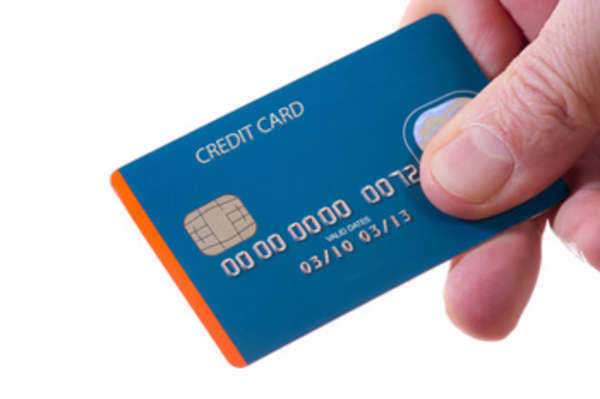
Essentially, the primary principle of protecting yourself from credit card fraud is to protect your personal information to the best of your ability. You avoid fraud in this fashion by ensuring that all documents which might have any amount of significant information in them are properly destroyed before you dispose of them, for example. Shredding utility bills and bank statements will go a long way towards ensuring that your personal information will never be available for use in credit card fraud.
You will also want to shred any credit card applications that come your way to additionally help avoid fraud. Keeping close track of your actual, physical credit card will help to ensure that you will never become a victim of credit card fraud, as one of the primary sources for such fraud is simply stolen credit cards. This also carries over to simply using your physical credit card; to avoid fraud, you should try to shield the number from view so that people around you can't surreptitiously copy it down.
Furthermore, you should only carry one or two credit cards on you at a time; carrying more than that is very likely to cause problems, should the cards be stolen. If you ever find the card missing, then you can avoid fraud by quickly alerting the necessary authorities, ensuring that your credit card is shut down before any fraudsters can use it.
Online fraud can bypass some of these more physical protective measures, but still, keeping track of your own information and reducing its proliferation is a good strategy to avoid fraud in general. Do not, for instance, give out your credit card information to anything less than a trusted source. Never give it out over the phone, and don't give it out to a request for it over email.
Finally, avoid online fraud by not giving out your information over non-secure websites (normally, you will be alerted if a website is secure or not, and if you're unsure, don't give out your credit card information). Being careful about to whom and when you give out your credit card number will go a long way towards helping you avoid fraud.
Simply increasing and maintaining your own awareness of your finances can help out in your struggle to avoid fraud. Keep track of your receipts in a safe place, so that you can check them against your charges later, to make sure everything is correct. Monitoring your own credit card statements closely and promptly, for example, will help you to notice if any strange action occurs, if any transactions do not fit your own records. With such knowledge, you will be able to avoid fraud outright and, if not, at least minimize its damage.