Quick And Easy Guide to Arson Defense
📅 2026 Update: Key Changes in Fraud Law and Defense
Since the original article was published, there have been important updates in fraud law that affect how individuals and businesses report and handle fraud issues. This section outlines the most significant changes that impact fraud defense strategies today. The earlier article continues further down the page for additional context.
🆕 📜 Nacha's New Fraud Monitoring Rules
Effective March 20, 2026, new fraud monitoring rules from Nacha apply to all Originating Depository Financial Institutions (ODFIs) and certain third-party service providers. This change affects those with annual Automated Clearing House (ACH) origination volumes of 6 million or more. The new rules aim to enhance fraud detection and prevention in electronic payments.
🏢 💼 Program Fraud Civil Remedies Act Amendments
On May 4, 2026, the U.S. Small Business Administration (SBA) updated the Program Fraud Civil Remedies Act. The claim threshold has increased from $150,000 to $1,000,000.
This change could significantly impact how claims are filed and resolved, particularly for businesses involved in fraud-related investigations.
💳 📱 CFPB's Oversight of Digital Payment Apps
The Consumer Financial Protection Bureau (CFPB) finalized new rules on November 21, 2024, to oversee major digital payment apps. This applies to companies handling over 50 million transactions per year. This oversight may help protect consumers from fraud in digital transactions, an area that has seen a rise in scams.
🌍 🔍 Corporate Transparency Act Changes
As of March 2025, the Financial Crimes Enforcement Network (FinCEN) made changes to the Corporate Transparency Act. Beneficial ownership reporting requirements were removed for U.S.-created companies. This affects foreign entities that register to do business in the U.S., altering the landscape of corporate fraud accountability.
📌 🔑 Summary of Key Updates
- 🆕 New fraud monitoring rules from Nacha effective March 20, 2026.
- 💼 Claim threshold under the Program Fraud Civil Remedies Act increased to $1,000,000.
- 📱 CFPB now oversees major digital payment apps for consumer protection.
- 🌍 Beneficial ownership reporting changes affect foreign entities in the U.S.
💡 Tips for Handling Fraud Cases
Review the details of your situation with your attorney to ensure you understand the best course of action.
⚠️ 🚨 Report Fraud Promptly
Reporting fraud quickly is crucial. Delays can lead to increased personal liability, especially with debit card fraud.
📅 ⏳ Be Aware of Reporting Deadlines
For credit card fraud, consumers must report unauthorized charges within 60 days of receiving the first statement showing the error. Missing this deadline can limit recovery options.
🕵️♂️ 🔍 Understand Fraud Investigation Durations
Fraud investigations can take varying amounts of time. Simple cases may resolve in weeks, while complex cases could take years to investigate fully.
💳 💼 Know Your Liability Limits
Under the Fair Credit Billing Act, consumers are liable for up to $50 in unauthorized credit card charges if reported promptly. Understanding your liability can help you act quickly.
🆓 💡 Utilize Free Resources
Take advantage of free resources offered by the Consumer Financial Protection Bureau (CFPB) and the Federal Trade Commission (FTC) for guidance on reporting and recovering from fraud.
🔊 📞 Stay Informed About Changes
Keep up with changes in fraud laws and regulations. Understanding new policies can help you better prepare for potential fraud cases in the future.
🏆 Services Ranked by User Reviews (2026)
This section covers services related to fraud protection and identity theft that align with the article's topic. The rankings are based on Trustpilot data from October 2026. Remember, scores can change over time, and reviews often reflect the experiences of unhappy customers.
🥇 1. Experian
Experian has been rated 4.1. It is known for offering credit reporting, credit monitoring, and identity theft protection services. Reviewers often mention some issues with customer service responsiveness and occasional billing concerns, which may affect user experience.
🥈 2. LifeLock
LifeLock holds an impressive 4.9 rating. It specializes in identity theft protection, credit monitoring, and fraud alerts. Users appreciate the comprehensive services, though some report issues with the speed of notifications and experience upselling tactics during interactions.
🆓 Free Government Resources
Free resources are available for consumers dealing with fraud. The Consumer Financial Protection Bureau (CFPB) provides assistance, while the Federal Trade Commission (FTC) offers guidance on reporting and recovering from identity theft. Many state attorneys general also offer consumer protection services.
🔎 Factors to Compare When Choosing a Service
- 📝 Review score and customer feedback.
- 💼 Range of services offered for identity theft and fraud.
- ⏳ Response time for fraud alerts and claims.
- 📞 Availability of customer support.
❓ Frequently Asked Questions
❔ 🤔 What is the statute of limitations for fraud cases?
Federal bank fraud offenses have a statute of limitations of 10 years from the date of the offense. For credit card fraud, prosecutors have five years to bring charges.
🕵️♂️ 📊 How do I report fraud effectively?
To report fraud, individuals should contact the relevant federal agency or financial institution. Procedures vary based on the type of fraud involved.
📅 📞 What should I do if my identity is stolen?
If your identity is stolen, promptly report it to your financial institutions and the Federal Trade Commission (FTC). This can help mitigate damages and recover lost funds.
⚖️ 🔍 What are the penalties for committing fraud?
Penalties for fraud can vary widely based on the severity and type of fraud committed. Penalties can include fines, restitution, and imprisonment.
💳 📅 How long do I have to dispute a credit card charge?
Consumers typically have 60 days to report unauthorized credit card charges after receiving the statement showing the error.
📉 📊 What resources can help me understand fraud better?
The Consumer Financial Protection Bureau (CFPB) and the Federal Trade Commission (FTC) offer valuable resources to understand fraud and how to protect yourself.
⚖️ Recent Cases Related to Fraud
There have been recent court rulings that relate to fraud cases, showcasing how the law is applied in various situations. This can help individuals understand how courts view and handle fraud allegations.
- Court affirms bank fraud conviction of Robin ParkerDistrict Court of Appeal of Florida · January 15, 2021
- Court affirms fraud convictions, orders new sentencing termsDistrict Court of Appeal of Florida · November 5, 2021
- Florida court upholds fraud and racketeering convictionsDistrict Court of Appeal of Florida · August 26, 2021
- First Circuit Court rules on COVID-19 loan fraud caseCourt of Appeals for the First Circuit · September 30, 2026
Explore more recent rulings in the news section of our website.
End of October 2026 Update
What is Arson?
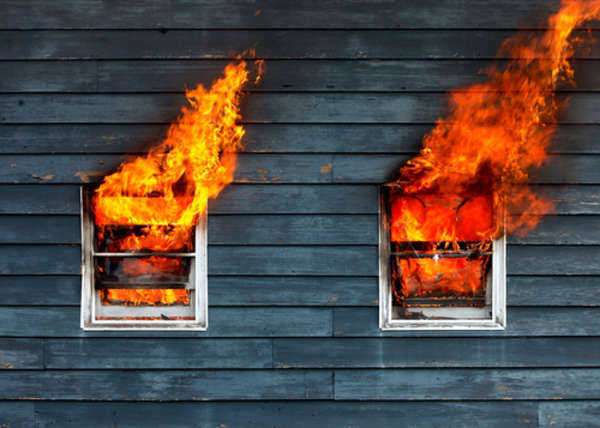
Arson is an illegal action that is recognized by the act of intentionally and maliciously setting fire to a structure or wooded area. Arson is recognized throughout the world; however, each country interprets and defines the action differently.
Arson is held in contrast from other actions that may precipitate a fire, such as natural wildfires or spontaneous combustion. The difference in classification stems from the attached malicious behavior. For an individual to be charged with arson, the perpetrator’s actions must be deliberate and delivered with the intent to inflict damage, harm, or collect insurance compensation.
Arson Defense
An individual will be found guilty of arson if he or she is proven to have committed the action with a malicious intent to inflict damage to an area or to collect insurance compensation. As a result of this vital characteristic, a typical arson defense will attempt to disprove the act as malicious and instead attempt to regard it as negligent or accidental.
Arson is prosecuted based on the degree of severity and the implications which precipitate the act of burning something. Through these characteristics, arson is classified based on the seriousness of the actions. For instance, first degree arson occurs when the actions precipitate harmed or death to people, whereas second degree arson occurs when significant damage to a property is realized and no physical harm is realized.
Regardless of the alleged charge, if an individual is charged with arson, it is highly-suggested that they hire a criminal attorney who specializes in a particular state’s arson laws.